
RskLess Case Study: Electrical Transmission System Integration PHA
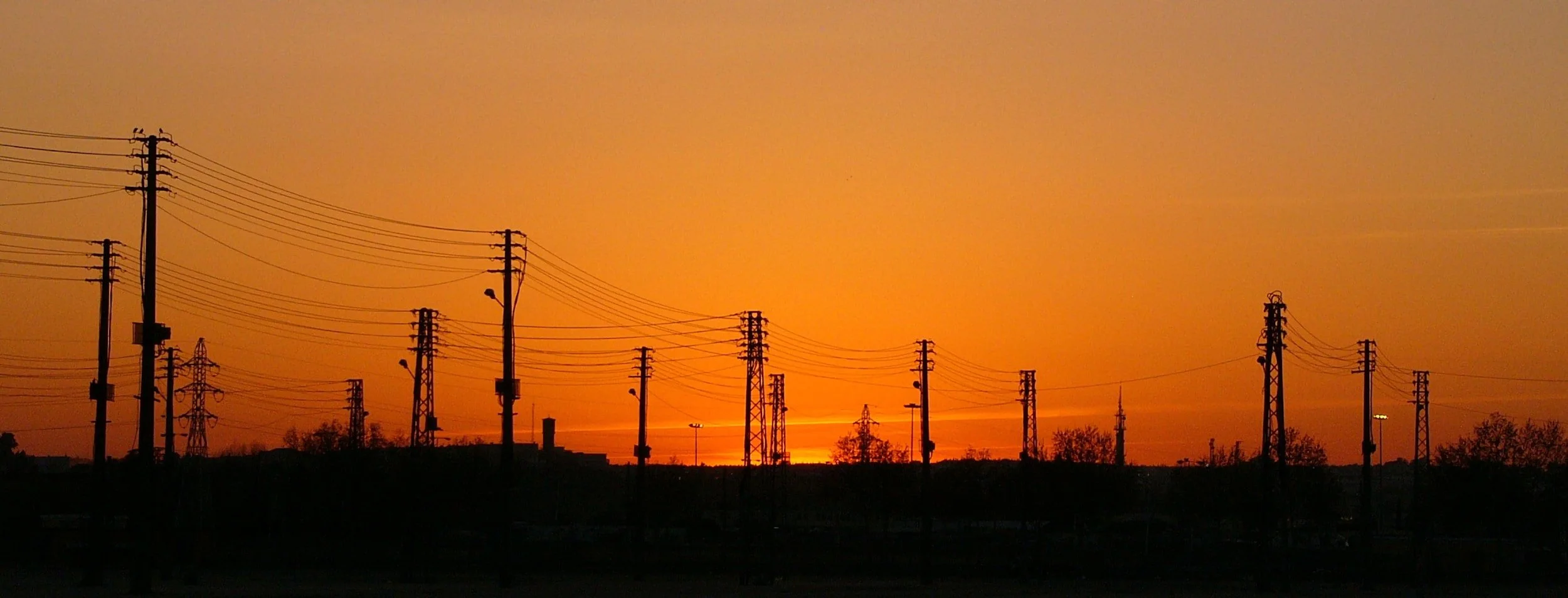
RskLess Case Study - A Structured Approach to Electrical System Integration PHAs
A reliable electrical safety program is not built by chance. It is developed through disciplined hazard reviews, clear ownership of risk, and a practical understanding of how high-voltage systems are operated and maintained in the field. For major electrification projects, including transmission lines and substations, a structured Process Hazard Analysis (PHA) is the cornerstone for identifying potential failures before they become incidents.
In a recent project, RskLess supported a client in integrating their gas plant to the main electrical and telecommunications grid with a thorough risk assessment.
The scope included:
138 kV transmission line and equipment:
Deadtank circuit breaker
Disconnect switch
CT, PT, CVT
One (1) 25/33/42 MVA oil-filled power transformer
13.8 kV switchgear
Protection and control system
Station AC power systems
DC battery and charger system
Grounding and bonding system
Fire detection systems
Communication systems
The "What-If" Methodology for Electrical Focus
While many industrial processes rely on HAZOP (Hazard and Operability) studies, electrical electrification projects often benefit from a What-If PHA methodology. This approach provides the flexibility needed to address the unique failure modes of power systems, focusing on electrical-specific risks rather than fluid dynamics or chemical reactions. By using a structured "What-If" format, teams can systematically explore deviations in power distribution, teleprotection, and substation operations.
Quality Through Senior Expertise
The effectiveness of an electrical PHA is directly proportional to the seniority and experience of the Subject Matter Experts (SMEs) in the room. A high-quality session requires a team with deep roots in the industry. RskLess facilitators and engineers bring decades of experience in power line distribution, substation design, and instrumentation.
To maintain focus and quality, participation should follow a strict philosophy:
Limit attendees to only those who are required (responsible engineers, operations, maintenance, and telecom).
Avoid “spectators” to ensure the discussion remains technical and efficient.
Include diverse perspectives, from maintenance foremen who understand field realities to telecom managers responsible for critical teleprotection links.
Structuring the Analysis: The Node Approach
To ensure no detail is overlooked, the electrification project is broken down into logical "nodes". This allows the team to focus on specific segments of the system one at a time:
Transmission Lines: Evaluating the spans of high-voltage lines crossing various terrains.
Substation Yard: Reviewing external equipment, including transformers and switchgear.
Substation Building: Focusing on the control systems, protection and control (PNC) panels, and the building environment.
Telecom & Communications: Analyzing the microwave and fiber links that facilitate service provider interfaces and plant protection.
Defining Realistic Operational Assumptions
A PHA is only as good as the assumptions upon which it is built. For electrical systems, it is vital to align the analysis with the actual design philosophy and maintenance strategy. Key considerations include:
Maintenance Frequency: Acknowledging that maintenance is often infrequent and multi-year (e.g., testing relays every 3–5 years) rather than annual.
Response Times: Many substations are not manned 24/7; therefore, the analysis must account for remote callouts and response windows (e.g., ~24 hours).
Safeguard Logic: The focus should be on how safeguards reduce the likelihood of an event rather than the severity of the consequence.
Human Factors: While effective lockout/tagout (LOTO) procedures are assumed, the PHA focuses on loop-level failures and latent failures that could persist between maintenance intervals.
The Path Forward
By integrating these structured reviews into the project lifecycle, organizations can move from a reactive safety posture to a planned, proactive maturity level. A well-executed electrical PHA ensures that high-voltage infrastructure is not just built to code, but is designed with a comprehensive understanding of the risks inherent in its operation.
At RskLess, our goal is to help you bridge these gaps, ensuring that your electrical PHAs are not just checkboxes on a form, but robust tools that help you be safer than yesterday.
At RskLess, our goal is to help you uncover hidden hazards, ensuring that your risk assessments are thorough and well understood to help you be safer than yesterday.
